
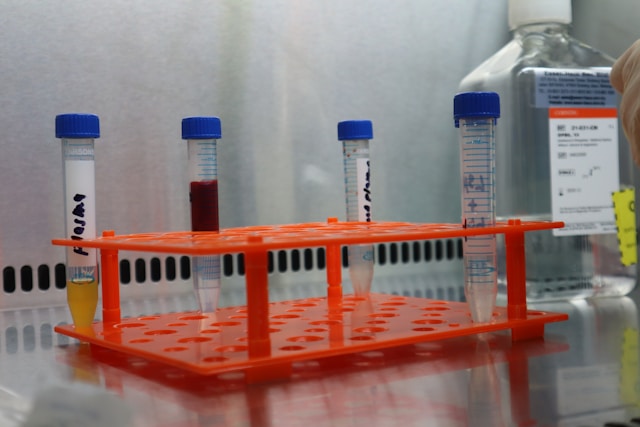
You’ve done everything right. You went to the doctor. You ran the labs. You waited. And the results came back: normal.
So why do you still feel exhausted before noon? Why does the brain fog linger, the sleep stay broken, the weight not move — and no one can explain it?
Here’s what most people are never told: standard lab tests are designed to detect disease, not to confirm health. They answer the question “do you have a diagnosable illness?” — not “why don’t you feel like yourself?” Those are very different questions, and right now, yours isn’t being answered.
At The Natural Path in San Juan Capistrano, we hear this story every week. And in most cases, there is a reason — it’s just hiding in the gap between “normal” and “optimal.”
Normal and Optimal Are Not the Same Thing
This distinction matters more than almost anything else in functional medicine.
A normal range is a statistical band. Labs set it by testing a large population and flagging anyone in the outer 2.5% on each end. It tells you whether you have overt disease — not whether you’re thriving. And crucially, the population used to set that range isn’t screened for health. It includes people who are tired, inflamed, and chronically unwell.
An optimal range is narrower. It reflects the values where most people actually feel, think, and function well. You can sit comfortably inside the normal band and still be well outside your personal sweet spot.
This plays out repeatedly in clinical practice:
Thyroid function. TSH can read normal while free T3 is low-normal and reverse T3 is elevated — a pattern that frequently corresponds to fatigue, weight changes, and persistent brain fog. A standard panel often won’t catch this.
Iron and ferritin. Ferritin is commonly flagged as deficient only below 12 ng/mL. But many people experience fatigue, hair shedding, and poor exercise recovery at levels of 20, 30, or even 40 — all technically “normal.” The number doesn’t tell you what that person’s body needs.
B12. Serum B12 can appear adequate while active B12 — or a marker called methylmalonic acid — reveals a functional deficiency. This is one reason borderline B12 can drive anxiety, neuropathy, and cognitive symptoms that bloodwork never seems to explain.
Vitamin D. Standard labs flag deficiency below 20–30 ng/mL. Many patients report meaningful improvements in mood, energy, and immune resilience when levels are maintained closer to 40–60 ng/mL under clinical guidance.
These are not rare edge cases. They are common patterns in people who feel unwell and have been told their labs are fine.
What Standard Tests Routinely Miss
A basic metabolic panel and CBC are useful screening tools. They are not a comprehensive picture of how your body is functioning. Here are the most common gaps:
Glucose and insulin regulation. Fasting glucose can look perfectly normal while fasting insulin is already elevated, signaling early insulin resistance. A1c may be creeping upward for years before it crosses any threshold. Post-meal blood sugar spikes — one of the most common causes of afternoon energy crashes and anxiety-like symptoms — are essentially invisible on a standard draw.
Thyroid beyond TSH. Most panels check only TSH. A complete thyroid evaluation includes free T4, free T3, reverse T3, and thyroid antibodies. Antibodies can be elevated for years before TSH shifts at all — yet during that time, symptoms are very real.
Nutrient status. Standard panels rarely check ferritin with context, active B12, methylmalonic acid, magnesium (most of which lives in cells, not serum), zinc, or folate. Each of these deficiencies has a recognizable symptom profile. None of them will cause alarm on a routine lab report.
Inflammation. A normal white blood cell count does not rule out meaningful inflammation. Markers like high-sensitivity CRP and homocysteine can reveal chronic low-grade inflammation that’s silently driving symptoms — and neither is typically included in a basic panel.
Hormone timing and rhythm. A single blood draw is a snapshot. Sex hormones fluctuate significantly across the menstrual cycle, which means one untimed draw can be meaningfully
misleading. Cortisol follows a daily arc — high in the morning, tapering through the day — and a four-point salivary or urine map can reveal why someone feels wired at 11pm and completely depleted by 2pm. A single morning serum cortisol won’t show this.
Gut and histamine contributors. IBS-type symptoms, skin flares, sinus congestion, and disrupted sleep can all stem from gut dysbiosis or histamine intolerance. These rarely appear on any routine bloodwork. They require targeted stool testing or a clinical pattern that raises the suspicion in the first place.
You Are Not Imagining It
Feeling unwell with clear labs is not in your head, and it is not something you have to keep explaining. The Master Class shows what standard panels leave out.
When It Makes Sense to Test More Broadly
Not everyone needs an expanded panel at every visit. But there are clear clinical patterns that warrant looking deeper:
– Symptoms that have persisted for more than two to three months despite normal basic labs
– Fatigue or mood changes that follow a cyclical pattern — or that shifted noticeably after starting or stopping hormonal contraception
– Energy that crashes after meals, hits a wall in the mid-afternoon, or surges in the evening when it shouldn’t
– Sleep that doesn’t restore — waking at 2 or 3am, difficulty falling asleep, or feeling unrefreshed regardless of hours
– Hair thinning, unexplained weight changes, or changes in temperature tolerance – Perimenopausal transitions where symptoms are significant but hormone panels look “fine”
When these patterns are present, a more complete workup often includes:
– Full thyroid panel: TSH, free T4, free T3, reverse T3, and TPO/thyroglobulin antibodies – Iron studies with ferritin, transferrin saturation, and CBC
– Vitamin D (25-OH), B12 with methylmalonic acid, folate, magnesium RBC, zinc – Metabolic markers: fasting insulin, A1c, and selective post-meal glucose monitoring – Inflammation: high-sensitivity CRP, homocysteine
– Sex hormones timed appropriately to cycle day, plus DHEA-S when relevant – Four-point cortisol mapping (saliva or dried urine) when stress or sleep patterns suggest adrenal rhythm disruption
– Targeted stool or breath testing when gut symptoms are prominent
These tests aren’t ordered as a standard battery — they’re selected based on your history, symptoms, and what patterns are emerging. That’s a different kind of clinical conversation than a 10-minute review of a printout.
How to Prepare for Labs — and Get More Out of Them
Accurate results require more than showing up fasted. A few preparation steps make a meaningful difference:
Time tests appropriately. For women who are still cycling, many sex hormones are most informative when drawn mid-luteal — roughly 5 to 7 days after ovulation, around days 19 to 22 of a 28-day cycle. A random draw mid-cycle can easily look low or high when the picture is simply incomplete.
Stabilize your routine for 2 to 3 days before. Unusual stress, a new intense workout, a night of poor sleep, or a big dietary change can all shift results. Aim for your ordinary life leading up to labs, not a particularly good or bad few days.
Pause biotin if advised. High-dose biotin supplementation can interfere with several immunoassays, including thyroid and hormone tests. Most guidelines suggest stopping 24 to 72 hours prior to blood draws — check with your provider.
Bring your prior results. Trends over time are far more informative than any single number. A TSH that moved from 1.2 to 2.8 over two years tells a different story than a TSH of 2.8 in isolation.
Track your symptoms for 7 days before your appointment. Each evening, rate your energy, mood, mental clarity, and sleep on a simple 1–5 scale. Note anything notable — a stressful day, an unusual meal, a poor night. This kind of pattern data changes the quality of the clinical conversation significantly. At The Natural Path, it’s one of the first things we review.
Questions Worth Asking Your Doctor
If you’ve been told your labs are normal but you don’t feel normal, these questions can help open the conversation:
– “My symptoms are persistent — would a full thyroid panel, including free T3, reverse T3, and antibodies, be appropriate?”
– “Can we look at ferritin alongside the other iron markers, and check B12 with methylmalonic acid, vitamin D, magnesium, and zinc?”
– “Could fasting insulin or a post-meal glucose check explain my energy patterns?”
– “Could there be inflammation that a basic CBC wouldn’t show? Should we add high-sensitivity CRP or homocysteine?”
– “Are my symptoms consistent with a hormone timing or cortisol rhythm issue that would need a different kind of testing?”
– “How are we going to track my symptoms alongside lab trends — and when will we reassess?”
A good provider will welcome these questions. If they’re dismissed, that’s clinically useful information too.
The Pattern-Based Approach at The Natural Path
Standard medicine is built to identify disease. Naturopathic functional medicine is built to identify dysfunction — the earlier, quieter state where something is off-course but hasn’t fully broken down yet.
At The Natural Path, visits include extended history, cycle and sleep mapping, and interpretation of labs through an optimal-function lens — not just a disease-detection lens. We look at three interconnected systems simultaneously:
– Neurocognitive and mood regulation — how your brain is functioning and what’s upstream of it
– Stress, sleep, and hormone rhythms — the daily and cyclical patterns that govern energy and recovery
– Environment and daily habits — light exposure, movement timing, meal composition, and what’s quietly disrupting the baseline
When these layers are interpreted together — alongside your labs and your lived experience — patterns emerge that a single printout never shows.
If you’re in California and want a structured integrative evaluation, you can schedule with Dr. Angela Goldstein, ND at our San Juan Capistrano office, or virtually throughout California. The first step is usually a comprehensive intake that looks at your full history, prior labs, and current symptom patterns — not just what’s on last year’s panel.
Still Sounds Like Your Situation?
This article explains the gap between “normal” and “optimal.” The free Master Class shows what a real evaluation looks for instead, and how care is structured here.
FAQ
Why do I feel sick if my tests are normal? Standard reference ranges are designed to detect overt disease, not early or functional dysfunction. Many people sit within the normal band while
experiencing symptoms that reflect suboptimal thyroid conversion, nutrient insufficiency, early insulin resistance, or disrupted hormone and cortisol rhythms — none of which trip a standard alarm.
What’s the difference between normal and optimal? A normal range is population-based and designed to catch the sickest 2.5% on each end. An optimal range is the narrower zone associated with how people actually function well. You can feel genuinely unwell and still be “in range.”
Why do lab ranges vary between labs? Each laboratory builds its own reference intervals based on its specific assay methods and the population it sampled. A value that’s borderline at one lab may be comfortably normal at another. This is one reason trends over time, across the same lab, tell a more useful story than any single number.
What do standard panels commonly miss? Low-normal ferritin, functional B12 insufficiency, vitamin D levels that are adequate by disease standards but suboptimal for function, early insulin resistance, low-grade inflammation, thyroid conversion problems that don’t affect TSH, gut and histamine-related contributors, and hormone or cortisol timing issues that a single snapshot can’t reveal.
When is expanded testing worth considering? When symptoms have persisted for months, follow cyclical or meal-related patterns, or don’t resolve despite normal basic labs — especially if they involve fatigue, sleep disruption, mood changes, brain fog, or weight that won’t shift.
How do I prepare for labs? Keep your routine consistent for 2 to 3 days prior. Time hormone tests appropriately for your cycle. Follow fasting instructions. Pause high-dose biotin as advised. Bring prior results. And track symptoms for a week beforehand — that context often matters more than the number itself.
What should I ask my clinician? Request a full thyroid panel, key nutrient markers, fasting insulin or post-meal glucose, relevant inflammation markers, and a discussion of whether hormone timing or cortisol rhythm testing is appropriate for your symptom pattern.
If You Don’t Feel Like Yourself, You Deserve a Deeper Look
Normal on a printout doesn’t mean optimal for you. Symptoms are data. When your experience and your labs don’t match, the answer usually isn’t to dismiss one of them — it’s to ask better questions.
If you’re ready for a clinical evaluation that takes both seriously, we’d be glad to help. Dr. Angela Goldstein, ND sees patients in person at The Natural Path in San Juan Capistrano and virtually throughout California.
By Dr. Angela Goldstein, ND, licensed naturopathic doctor, 25+ years in practice. Last reviewed: 2026-09-16.
This article is for general education and is not medical advice. It does not establish a doctor-patient relationship and is not a substitute for care from your own clinician. Do not start, stop or change any prescribed medication based on what you read here. If you have an urgent medical concern, contact your physician or emergency services.