
Written by The Natural Path clinical content team, based on the teaching of Dr. Angela Goldstein, ND.
How to test for mold toxicity starts with a plain fact: no single blood or urine test confirms it. “Mold toxicity” is a popular term, not a formal diagnosis. Testing for it means answering three smaller questions in order. Is there dampness or mold in your building? Are you allergic to mold? What else could explain your symptoms? Allergy testing for mold sensitization and an inspection of the building are well established. Urine mycotoxin panels are not: the CDC reports that no urine mycotoxin test is FDA-approved, that levels which predict disease have not been established, and that mycotoxins appear in the urine of healthy people.
Key Takeaways
- No single test confirms “mold toxicity.” The useful work is a sequence: building, timeline, allergy testing, and the common alternative causes.
- The CDC states there is no FDA-approved test for mycotoxins in human urine and that levels which predict disease have not been established.
- Mycotoxins turn up in the urine of healthy people because they occur in many foods, so a “positive” result does not show that mold made you ill.
- Allergy testing for mold sensitization is validated and is done by an allergist.
- A timeline of where your symptoms ease and return is often the strongest evidence you have, and it costs nothing to gather.
- A thorough evaluation reads your exposure history, your symptoms and your other body systems together. Standard labs alone cannot do that.
If you have been searching this topic, you have probably already met two kinds of answer. One says a single test will tell you. The other says the whole idea is nonsense. Neither helps you much when you are exhausted, foggy and sure something in your home is wrong. Our companion guide on the 10 warning signs of mold toxicity sorts the symptoms by strength of evidence. This guide answers the next question, which is what to test and in what order.

What Is Mold Toxicity?
Mold toxicity is a popular name for illness attributed to exposure to mold and the compounds it produces, and it has no agreed clinical definition.
Mycotoxins are toxic compounds produced by some molds. Humans take in low levels of them every day through food, which is central to why measuring them in the body is hard to interpret.
The research literature uses a different frame. It studies the health effects of damp indoor environments. The 2004 Institute of Medicine report Damp Indoor Spaces and Health graded the evidence outcome by outcome. A Massachusetts Department of Public Health bulletin summarizes it. Four outcomes reached “sufficient evidence of an association”: upper respiratory symptoms, cough, wheeze, and asthma symptoms in people who are sensitized. The same summary lists fatigue, gastrointestinal problems, neuropsychiatric symptoms and skin problems under insufficient evidence to determine whether an association exists. A meta-analysis in Environmental Health found residential dampness and mold associated with 1.45 times the odds of bronchitis, and with 1.48 times the odds of respiratory infections in children and infants.
Your fatigue and brain fog are worth taking seriously. The science has measured the respiratory effects well and the whole-body effects poorly, which is why testing has to be honest about what it can prove. Our mold and biotoxin illness page describes how the practice approaches the cases where the pattern points toward a building.
Which Mold Tests Are Validated and Which Are Not
Tests for mold fall into three groups: those that examine the building, those that examine your immune response, and those that look for mold compounds in your body. The first two have a clear purpose. The third is where the evidence runs out.
| Test | What it can answer | Where the evidence stands |
|---|---|---|
| Visual inspection and moisture check of the building | Is there water damage, visible growth or a moldy odor? | NIOSH’s experience points to thorough visual inspection and musty-odor detection as more dependable than air sampling |
| Air or surface mold sampling | Which spores were present on the day sampled | No health-based standards exist for mold in indoor air, and short-term spore sampling may not represent actual exposure |
| Allergy skin prick testing for mold | Are you sensitized to specific molds? | Established. An allergist can determine whether mold is behind allergy-type symptoms |
| Urine mycotoxin panel | Whether mycotoxins were detected in one urine sample | Not FDA-approved. Levels that predict disease have not been established |
| Routine and functional labs for common causes | Thyroid, iron, blood sugar, hormone and inflammation patterns that mimic mold symptoms | Thyroid, iron and blood sugar are established markers; what they mean depends on context |
The table is the whole argument in miniature. The tests with solid evidence are about the building and about allergy. The tests that claim to read mold illness directly from your body are the least supported.

Free training from Dr. Angela Goldstein, ND
If your labs keep coming back normal and you still do not feel right, this free training shows how stress, thyroid and sex hormones pull on each other. Dr. Goldstein walks you through it.
When you watch today, you’ll learn:
- ✓Why “normal” labs can miss what is actually wrong
- ✓The three systems that break down together, and why treating one at a time rarely lasts
- ✓Why even natural approaches fall short when they treat symptoms instead of systems
- ✓Real patient stories from 25+ years of practice
Free, instant access. Start watching right now.
Educational content. Always talk with your doctor before changing any treatment.
What the CDC Says About Urine Mycotoxin Tests
The CDC’s position is that urine mycotoxin testing cannot diagnose mold illness. It comes from a 2015 MMWR report by two physicians at the CDC’s National Institute for Occupational Safety and Health, Kawamoto and Page, who reviewed a case from 2014.
In that case a worker at a water-damaged building ordered a direct-to-consumer “toxic mold” urine test. The laboratory reported positive levels of ochratoxin (2.8 ppb) and trichothecenes (0.4 ppb). A clinic diagnosed mold toxicity and prescribed an antifungal medication, along with dietary restrictions and nonstandard therapies. The authors point out that antifungals treat fungal infections, and the worker’s concern was toxins produced by fungi.
Four points from that report matter to you as a patient:
- There is no FDA-approved test for mycotoxins in human urine.
- Mycotoxin levels that predict disease have not been established.
- Low levels of mycotoxins are found in many foods, so they are found in the urine of healthy people.
- A laboratory can meet federal lab-certification rules and still offer a test whose clinical meaning has not been validated, because those rules do not address clinical validity.
In the same report, the CDC states that it does not recommend biologic testing of people who live or work in water-damaged buildings. A positive urine result therefore says nothing reliable about whether mold caused your symptoms, and a negative one says nothing about the building. Anyone presenting such a panel as proof is claiming more than the evidence allows, and that deserves a polite question about what decision the result would change.
What a Home Mold Inspection Can and Cannot Tell You
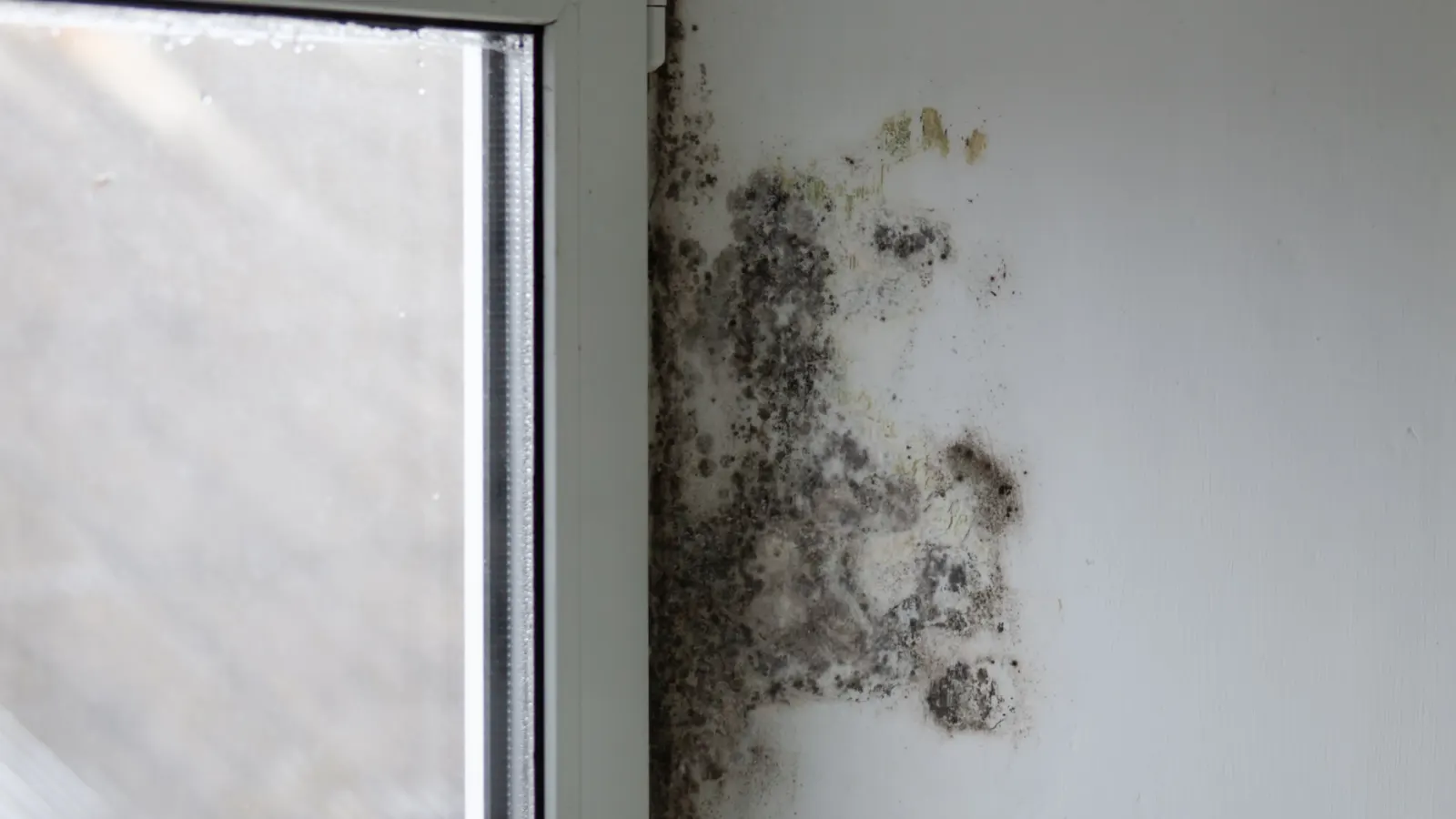
A home mold inspection can tell you whether moisture problems and visible growth exist, and it cannot tell you whether the mold is making you sick.
Start with the cheapest evidence. The EPA says that when visible mold is present, sampling is usually unnecessary, and that the key to mold control is moisture control. It advises consulting its remediation guidance when growth covers more than 10 square feet or after significant water damage. For hidden problems, such as a moldy smell with no visible source, it suggests an experienced professional.
Sampling has real limits. The CDC says it does not recommend mold testing, notes that the health effects of mold differ from person to person, and says no set standards define an acceptable amount of mold in a home. NIOSH adds that results from very short-term spore sampling may not represent actual exposure. A clean report does not rule out a problem inside a wall, and a dirty one does not diagnose you.
What an inspection does well is document the building. Moisture readings, a leak history, photos and a written report give any clinician something concrete to work with. The CDC suggests keeping indoor humidity at or below 50 percent and fixing roof, wall and plumbing leaks promptly.
How to Test for Mold Toxicity, Step by Step
The most useful testing sequence starts with free evidence and moves toward lab work only when it will change a decision.
- Build your timeline. Write down when symptoms began, what changed just before (a move, a leak, a renovation, a new job location), and where you feel better. Symptoms that ease when you travel and return when you come home point at a place. Note whether anyone else in the building, pets included, is affected.
- Check the building. Look under sinks, around windows, in basements and crawl spaces. Keep any inspection or water damage report you already have.
- Ask an allergist about mold sensitization. The American Academy of Allergy, Asthma and Immunology says skin prick tests give accurate results in a few minutes. They answer whether your immune system reacts to mold spores. That is a different question from toxicity, and it is one with a validated test.
- Rule out the common look-alikes. Fatigue, brain fog, headaches, sinus symptoms and mood changes have many causes, including thyroid disease, low iron, sleep disorders, blood sugar problems and hormone shifts. Our guide to functional lab testing explains how these systems are assessed together.
- See a clinician who reads the whole picture. The practice’s own approach, described on its mold page, is to select specialty testing from your history rather than run a fixed panel. The burden a body carries and its ability to clear it vary between people. Bring your timeline, any building reports, and your previous lab results.
The sequence begins with your own records and the building. A mail-order kit comes later, if at all, and no single lab result carries the final word.
Why Standard Labs Often Miss the Bigger Picture
Dr. Goldstein teaches that standard labs measure disease, not function. As she puts it in the Master Class: “Standard labs measure diseases, not function. They’re checking to see if your engine is completely broken, not whether it’s running at 40% capacity.”
That idea applies here in both directions. A routine panel is silent on how a water-damaged building has loaded your system, and so is a single mold-specific number. The post on normal labs but still tired covers why one normal panel does not close the case. What works better is her systems frame: stress, cortisol, thyroid and the sex hormones all influence each other, and any one of them can produce the fatigue and fog people attribute to mold. Sorting out which systems are carrying the load, and asking when it started and what came before it, is how a mold contribution gets established instead of assumed. If fatigue is your leading symptom, our page on chronic fatigue syndrome shows how that work is organized.
Mold Illness Evaluation in San Juan Capistrano or by Video Across California
The Natural Path sees patients in person at its San Juan Capistrano office and by video from anywhere in California. The office is open Monday, Tuesday and Thursday from 10:00am to 6:00pm, a practical drive from Dana Point, Aliso Viejo and Laguna Niguel.
The telemedicine program covers patients inside or outside Orange County, since licensing limits video care to patients located in California. Directions and hours are on the contact page. Because the first step is history and timeline, much of this work can begin from home.
When to Seek Medical Care Promptly
Difficulty breathing, chest tightness, a significant asthma flare, coughing up blood, or fever with breathlessness need urgent medical attention rather than a testing plan. The CDC notes that people with asthma or mold allergy may have severe reactions, and that people who are immune-compromised or have chronic lung disease may develop lung infections from mold. If that describes you, speak to your physician early.
Frequently Asked Questions
What is the best test for mold toxicity?
No single test is accepted as the best, because mold toxicity has no agreed clinical definition. The best-supported steps are an inspection of the building, allergy testing for mold sensitization, and a workup of the common causes of your symptoms.
How do I get tested for mold toxicity?
Start with your timeline and a building check, then ask an allergist about mold sensitization and a clinician about the other causes of your symptoms. Bring any inspection reports and previous labs. A clinician can then decide which further testing, if any, would change your care.
Is a urine mycotoxin test accurate?
The CDC reports there is no FDA-approved urine mycotoxin test, that levels predicting disease have not been established, and that healthy people have mycotoxins in their urine from ordinary food. A result cannot confirm that mold caused an illness.
Can a blood test show mold toxicity?
Blood tests can reveal thyroid, iron, blood sugar and inflammation patterns that mimic mold symptoms. No blood test has been validated as a direct measure of mold toxicity, and an allergist decides whether allergy blood work is useful in your case.
What is the difference between mold allergy and mold toxicity?
Mold allergy is an immune reaction to spores that an allergist can confirm with skin testing. Mold toxicity is a broader popular term for systemic illness attributed to mold, and it lacks an agreed definition or a validated test.
Should I hire someone to test my home for mold?
Often the first step is looking for visible growth, water damage and moldy odors. The EPA says sampling is usually unnecessary when mold is visible. A professional makes sense for hidden problems, large areas of growth or significant water damage.
Can I get tested by video if I live outside Orange County?
Yes, if you live in California. The history and timeline that guide mold evaluation can be reviewed by video, and your history decides which testing, if any, makes sense next.
The longer story behind a test result is usually your timeline and your systems, and Dr. Goldstein’s free Master Class explains how she reads them together. Watch the free Master Class.