

Written by The Natural Path clinical content team, based on the teaching of Dr. Angela Goldstein, ND.
Is a naturopathic doctor a real doctor? In California, a licensed naturopathic doctor (ND) holds a doctoral degree from an approved four-year school, has passed the national licensing exams, and is licensed by the California Board of Naturopathic Medicine. An ND is not a physician and surgeon. That title belongs to MDs and DOs, who complete a different and longer training path, and California law says an ND may not practice medicine except as the Naturopathic Doctors Act specifically allows. So the honest answer is yes to licensed doctor and no to MD. The two work best side by side, and the useful question is which one fits the problem in front of you.
Key Takeaways
- A California ND is a state-licensed doctor with a four-year graduate degree and board exams. An ND is not an MD, and the law draws that line.
- “Naturopath” and “naturopathic doctor” are different things in California. Only the second title requires a license, and you can check it online.
- MD training is longer and hospital-based. ND training is shorter and centered on nutrition, botanical medicine and whole-system care, and the two scopes of practice are not the same.
- The better test for any provider, ND or MD, is whether they read your whole picture and coordinate with the rest of your care.
- Emergencies, surgery and acute illness belong with an MD. Long-running, multi-system symptoms are where a systems-minded ND is often worth a conversation.
You may be asking because a friend swears by an ND, because your MD raised an eyebrow, or because insurance has run out of answers and you want to know who you would be trusting. Those are fair reasons. Here is what the law, the training records and the licensing board say, with the comparison laid out evenly.

What “Real Doctor” Means in California
In California, a “real doctor” is someone licensed by the state to practice a defined scope after approved training and exams, and a licensed ND meets that test for the naturopathic scope.
A naturopathic doctor (ND) is a state-licensed clinician who has completed a doctoral-level naturopathic medical program, passed the Naturopathic Physicians Licensing Examination (NPLEX), and practices within the scope set by the Naturopathic Doctors Act.
California sets three requirements in statute. First, the school. Section 3623 requires a program accredited by the Council on Naturopathic Medical Education (or an equivalent federally recognized accreditor). The program must run at least 4,100 total hours, with at least 2,500 of academic instruction and at least 1,200 of supervised clinical training. Second, the degree and a clean record, under Section 3630. Third, Section 3631 requires passing the Naturopathic Physicians Licensing Examination (NPLEX), or an equivalent exam approved by the North American Board of Naturopathic Examiners. The state’s licensure FAQ lists the same pieces for applicants.
The regulator is the California Board of Naturopathic Medicine, created inside the Department of Consumer Affairs. If you have read older material that calls it the Naturopathic Medicine Committee, that was the earlier name.
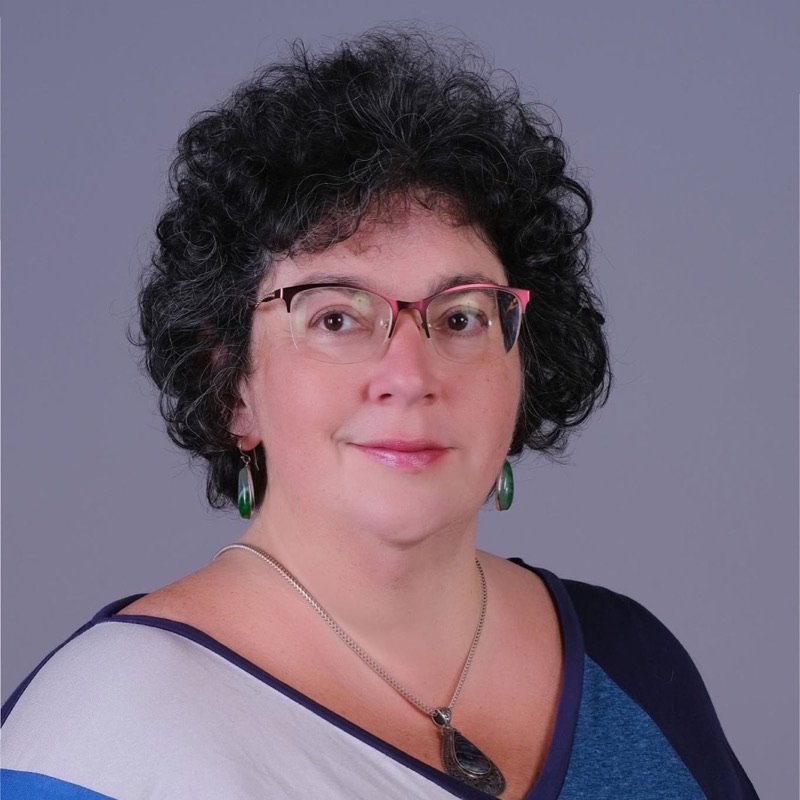
Dr. Goldstein came to naturopathic medicine from a different direction. She trained as a nurse and worked in a cardiosurgical intensive care unit in Russia, then came to the United States and spent four years studying naturopathic medicine. She holds California license ND-28 and has practiced for 25+ years.
Naturopathic Doctor vs MD: Training and Licensing Side by Side
An MD and an ND both finish a four-year doctoral program, and the paths separate after that in clinical hours, residency and licensing body.
| Naturopathic doctor (ND) | Medical doctor (MD) | |
|---|---|---|
| Degree | Doctor of Naturopathic Medicine, four-year program | Doctor of Medicine, four years |
| Clinical training | At least 1,200 supervised clinical hours within a 4,100-hour minimum program (California statute) | 12,000 to 16,000 hours (AMA) |
| After graduation | Residency is neither common nor required, except in Utah (AMA) | Residency of three to seven years (AMA) |
| Exam | NPLEX | USMLE, LMCC or FLEX written examination, per the Medical Board |
| License issued by | California Board of Naturopathic Medicine | Medical Board of California |
| Title | Naturopathic doctor | Physician and surgeon |
The training numbers come from the American Medical Association’s 2024 comparison of physicians and naturopaths, and they favor the physician path. That is worth saying plainly. California also asks for at least 12 months of approved postgraduate training before it issues a physician’s license, and most physicians go on to train much longer in a specialty.
Naturopathic organizations dispute how much residency should count and note that residencies are growing in number. What no source disputes is the gap in clinical hours, so read the table as two different training models and not as two versions of the same degree.
Free training from Dr. Angela Goldstein, ND
If you are deciding whether a naturopathic doctor is the right fit, this free training shows how Dr. Goldstein reads stress, thyroid and sex hormones together, so you can judge the approach for yourself.
When you watch today, you’ll learn:
- ✓Why “normal” labs can miss what is actually wrong
- ✓The three systems that break down together, and why treating one at a time rarely lasts
- ✓Why even natural approaches fall short when they treat symptoms instead of systems
- ✓Real patient stories from 25+ years of practice
Free, instant access. Start watching right now.
Educational content. Always talk with your doctor before changing any treatment.
What a California ND Can and Cannot Do
A California ND can order and perform physical and laboratory exams, counsel on nutrition and lifestyle, and use nutritional, botanical and physical medicine, and the scope has firm limits.
Section 3640 allows an ND to order exams and lab work, including blood draws. It lets an ND order diagnostic imaging, but the studies must be referred to an appropriately licensed professional to perform and interpret. Section 3642 lists what an ND may not do, including any surgical procedure, general or spinal anesthesia, abortion, and therapeutic radiation. Section 3643 adds that the Act does not authorize an ND to practice medicine as California defines it, apart from what the Act specifically allows.
Prescribing has two tracks. Under Section 3640.5, an ND furnishes or orders drugs under physician and surgeon supervision, following a standardized procedure the ND and the supervising physician develop together. Section 3640.7 separately lets an ND independently prescribe and administer epinephrine for anaphylaxis, natural and synthetic hormones, and vitamins, minerals, botanicals and similar substances that are chemically identical to over-the-counter products. Every licensed California ND works under these same rules, so the license tells you the ceiling and says little about the clinician. What distinguishes one ND from another is how they use the hour.
Naturopath vs Naturopathic Doctor: Check the License
In California, “naturopathic doctor” is a licensed title, while “naturopath” is a title anyone trained in naturopathy may use without a license.
Section 3645 says the Act permits the titles “naturopath,” “naturopathic practitioner” and “traditional naturopathic practitioner” for people educated in those fields, and that they do not need a license under the Act. Section 3644 then adds that an unlicensed person may not use the title “naturopathic doctor” unless the board has issued a license.
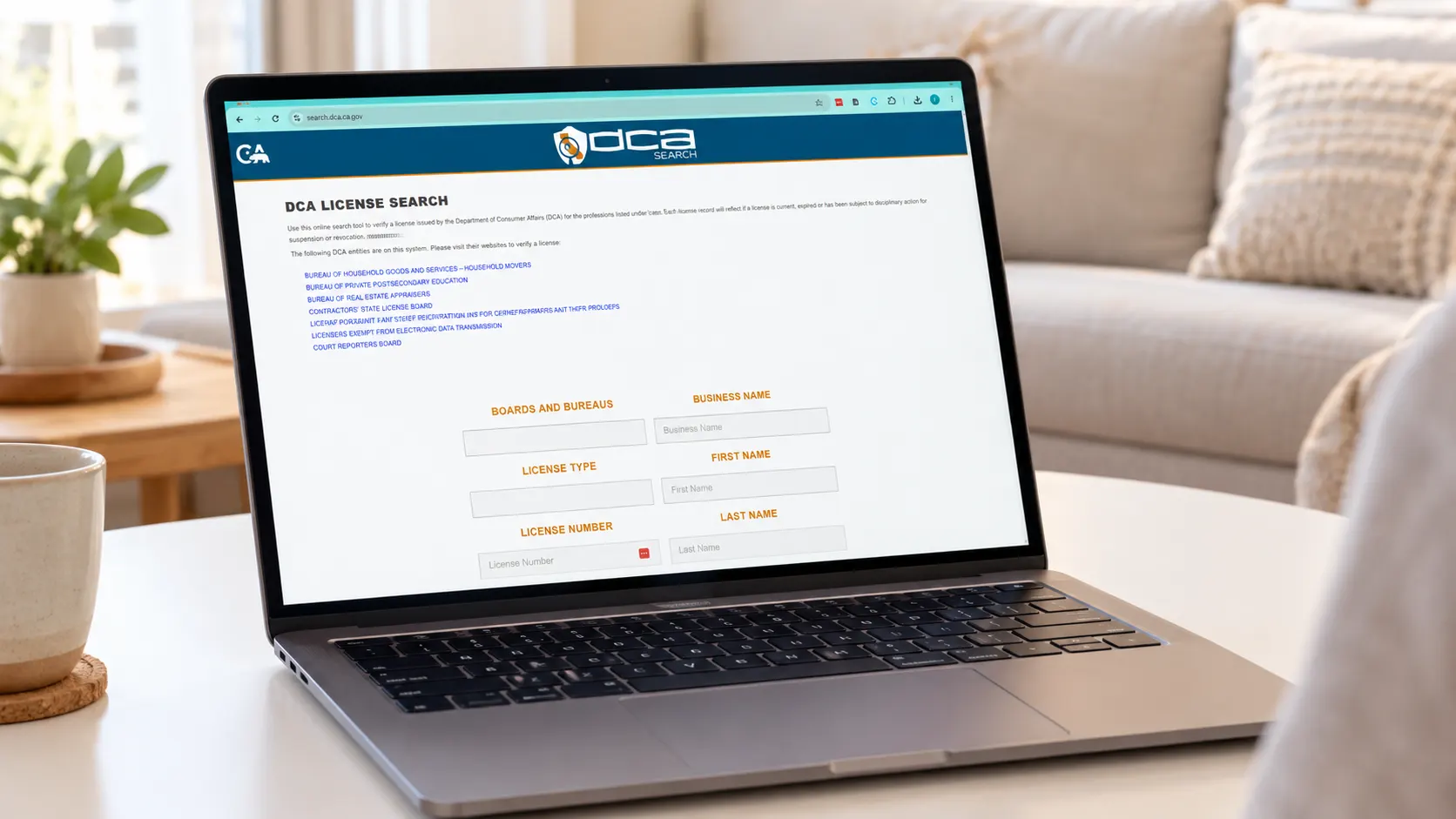
That distinction matters more than ND versus MD for most people. Two practices can both say “naturopath” on a sign, and only one may legally put “ND” after a name. Look up any provider on the Department of Consumer Affairs license search before booking. The license number, status and any discipline show there. Dr. Goldstein’s license is ND-28, and you can look it up the same way.
Naturopathic, Functional and Integrative: Three Words, Three Jobs
A naturopathic doctor is defined by a license, functional medicine by an approach, and integrative medicine by how care is coordinated, which is why the three get mixed up.
| Term | What it describes | Does it come with a license? |
|---|---|---|
| Naturopathic doctor | A clinician with a naturopathic medical degree, NPLEX and a state license | Yes, in California |
| Functional medicine | An approach that looks for root causes of chronic illness across body systems | No. WebMD notes that extra certification does not add legal status |
| Integrative medicine | Bringing conventional and complementary care together in a coordinated way, per the NIH | No. It describes how care is organized |
So what does a naturopathic doctor do? An ND takes a history, orders labs, and builds a plan that leans on nutrition, botanical medicine, lifestyle and, where the license allows, prescribed therapies. Naturopathic medicine at this practice is described in more detail on its own page.
What does a functional medicine doctor do? According to WebMD, functional medicine doctors use specialized training and techniques to find the root causes of chronic illness, and not every practitioner is an MD. The same page notes that there is less scientific research proving its methods are effective, which is a fair caution to carry into any consultation. Dr. Goldstein is a naturopathic doctor who reads cases functionally, so naturopath versus functional medicine is a false either-or at this practice. One names her license and the other names how she reads a case.
How to Choose Between an ND and an MD
Choose by the problem and by the questions the clinician asks, because a title alone does not tell you whether someone will read your whole picture.
Dr. Goldstein describes the gap she sees in plain terms. Standard labs measure diseases, not function. Your thyroid can be normal while still being shut down by stress. And “most practitioners, even natural ones, treat symptoms, not systems.” That last line applies to naturopaths as much as to anyone, so a license is a starting filter and not a finish line.
Five questions work for any provider.
- Is the license real? Check it before you book, as described above.
- How long will the first visit be? A typical primary care visit runs a median of 15.7 minutes across about six topics, and the study found about 1.1 minutes for each topic after the longest. Ask how much time the clinician will spend on your history, and see what happens at a first functional medicine appointment for what an hour can hold.
- Will they ask when it started and what came before it? A symptom has a timeline, and the timeline often shows which system moved first.
- Do they read labs against each other? Thyroid, stress hormones and sex hormones affect one another.
- Do they work with your other doctors? Good care shares information. A clinician who asks you to drop your physician is a warning sign.
Dr. Goldstein states her own approach this way: “I’m looking for the underlying driver instead of managing symptoms in isolation, and I do a full-picture read of labs and history rather than defaulting to one tool.”
If hormones, thyroid or stress might be part of your picture, the free hormone quiz shows which of the three to ask about first.
When an MD Is the Right First Call
An MD is the right first call for emergencies, surgery, imaging, acute infection, and any new symptom that could be serious.
Chest pain, sudden weakness, severe injury, a lump that is growing, and a fever that will not break belong with a physician or the emergency room today. An ND cannot perform surgery or order drugs beyond the framework above, and an ND will tell you so.
Long-running problems look different. If you have been told your labs are normal while you still feel wrong, and the symptoms span more than one system, a systems-minded ND can add a second read. Normal labs with symptoms that persist is one common reason people come in, and the stress, thyroid and sex hormone chain behind it is laid out in how cortisol and thyroid interact. Keep your primary care physician, keep your screenings, and bring both sets of records to each visit. Dr. Goldstein works alongside your MD, not in place of one.
Finding a Naturopathic Doctor in Orange County and Across California
If you are looking for a naturopathic doctor in Orange County, Dr. Goldstein sees patients in person in San Juan Capistrano and by secure video anywhere in California.
The office is in San Juan Capistrano. Patients drive in from Laguna Niguel, Aliso Viejo and Irvine, and many choose video to save the commute. Telemedicine covers the whole state, and according to the practice’s FAQ, blood draws are arranged near you and specialty test kits are shipped to your home. The details are on the telemedicine page.
Cost works differently from an insurance-billed visit. The FAQ states that most naturopathic visits in California are fee for service, and that some laboratory testing may be partially covered depending on your plan. This practice does not bill insurance.
The first visit is an hour, in the office or on video. Questions before booking go through the contact page.
Frequently Asked Questions
Can a naturopathic doctor be my primary care doctor in California?
California licenses NDs to practice naturopathic medicine within the Act, and the Board describes its mission as expanding access to primary care. Many patients keep an MD for primary care and add an ND for a second read, particularly for long-running symptoms. Ask the clinician how they coordinate with your physician.
Is an ND the same as a naturopath?
No. In California a naturopath may be unlicensed. A naturopathic doctor must hold a board license, and an unlicensed person may not use that title. The license search shows the difference in a minute.
Are naturopathic doctors licensed in California?
Yes. They are licensed by the California Board of Naturopathic Medicine after graduating from an approved school and passing the NPLEX.
Can an ND prescribe medication in California?
Within limits. Drugs are furnished or ordered under physician supervision and a standardized procedure, while hormones and some other substances can be prescribed independently under Section 3640.7. Whether any prescription is right for you is a conversation for the clinician and your own physician.
Do I stop seeing my MD if I see an ND?
No. Do not stop or change a prescribed medication on your own. Any change belongs in a conversation between you and the clinician who prescribed it.
Does insurance cover a naturopathic doctor?
Most naturopathic visits in California are fee for service, according to the practice’s FAQ, and some lab testing may be partially covered depending on your plan. Check your plan for the details.
Where to Start
The most useful next step is hearing the whole explanation before deciding anything. Dr. Goldstein, a naturopathic doctor with 25+ years in practice, has seen 3,700+ patients. In her free Master Class she explains the three connected systems she looks at first: thyroid, adrenals and sex hormones. She also explains why treating one of them alone can leave you slightly better and still short of well.
Watch the free Master Class, then decide with the full picture.
Written by The Natural Path clinical content team, based on the teaching of Dr. Angela Goldstein, ND.
This article is for general education and is not medical advice. It is not intended to diagnose or treat any disease, does not establish a doctor-patient relationship, and is not a substitute for care from your own clinician. Statutes and licensing rules change, so confirm current requirements with the California Board of Naturopathic Medicine and the Medical Board of California. Do not start, stop or change any prescribed medication based on what you read here. If you have an urgent medical concern, contact your physician or emergency services.