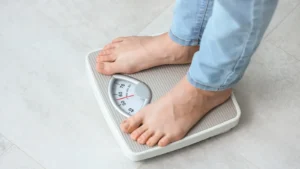
Losing Weight With Hashimoto’s: Why It Stalls and What Helps
Losing weight with Hashimoto’s starts with the right dose, then cortisol, blood sugar, sleep and perimenopause. What the studies show and what to ask.
 Watch the Master Class
Losing weight with Hashimoto’s starts with the right dose, then cortisol, blood sugar, sleep and perimenopause. What the studies show and what to ask.

Is Hashimoto’s genetic? It runs in families, but genes set the odds and life shapes the rest. See the 2025 Utah family-risk numbers and what else matters.
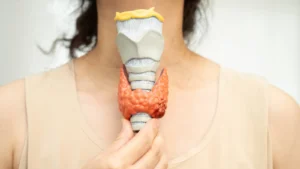
How serious is Hashimoto’s? What untreated low thyroid can lead to, the one emergency to know, treatment, and why normal labs can still leave you feeling off.

Hashimoto’s and menopause overlap in symptoms, and estrogen can shift levothyroxine needs. See what to watch for and when to recheck your thyroid labs.
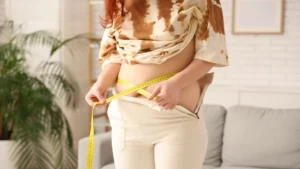
Thyroid and weight gain: the American Thyroid Association puts it at 5 to 10 pounds, mostly fluid. What levothyroxine changes, and what else to check.

Subclinical hypothyroidism means a high TSH with a normal free T4. What ATA, AACE and ETA say about rechecks, antibodies and treatment, plus Orange County care.
Hashimoto’s diet explained simply: what trials show for gluten-free, selenium, vitamin D, iodine and AIP, where evidence is thin, and what to do first.
Hypothyroidism vs. Hashimoto’s: one describes a thyroid making too little hormone, the other is the autoimmune cause behind most US cases. How to tell.

How is Hashimoto’s diagnosed? TSH comes first, antibodies identify the cause, and ultrasound helps when antibodies are negative. Here is what each result means.

Thyroid or perimenopause? The symptoms overlap almost entirely. What separates them, which test answers which question, and what to do when both are true.